
MENUMENU
TALK TO AN EXPERT
Special Hours: 7AM – 6PM PST


When you’re boondocking camping off-grid without hookups, keeping your RV batteries charged is critical. The neat thing about batteries is that they can be charged from so many different energy sources! Solar panels, a generator, or your vehicle’s alternator can all charge batteries, and Battle Born LiFePO₄ batteries make off-grid charging simple, safe, and efficient.
Let’s take a look at the major ways our customers charge batteries when off-grid.

| Question | Short Answer |
|---|---|
| How can I power my RV while boondocking? | Your RV batteries power your camper when boondocking off-grid, providing DC power to lights and appliances. With an inverter, you can operate 120V electronics. However, the kind of batteries you have makes a huge difference. Pro Tip: Upgrade to lithium batteries over lead-acid for more usable RV power. |
| How can I charge my RV battery when boondocking? | Solar panels, a portable generator, or your vehicle’s alternator with a DC-DC charger are the most common ways to recharge RV batteries. |
| What’s the best power source for RV boondocking? | Solar power paired with Battle Born LiFePO₄ batteries offers quiet, renewable charging of long-lasting batteries, ideal for long off-grid stays. Many choose to also carry a generator for backup. |
| Can you overcharge lithium RV batteries? | Usually no. Most lithium batteries (and every single Battle Born battery) include a built-in Battery Management System (BMS) that prevents over-charging and ensures safe performance. |
Boondocking means camping away from hookups, no shore power, no campground outlets, and no one to give you power. Everything you use, from lights to refrigeration, relies on you and your power system. It’s our favorite way to camp, but you need some knowledge of RV power systems to run all your favorite electronics.
Many first-time off-grid travelers quickly realize that understanding how to charge RV batteries when boondocking is just as important as choosing the right power source. Knowing your daily energy usage helps you size your solar, generator, or alternator setup correctly and avoid running out of energy when it matters most.
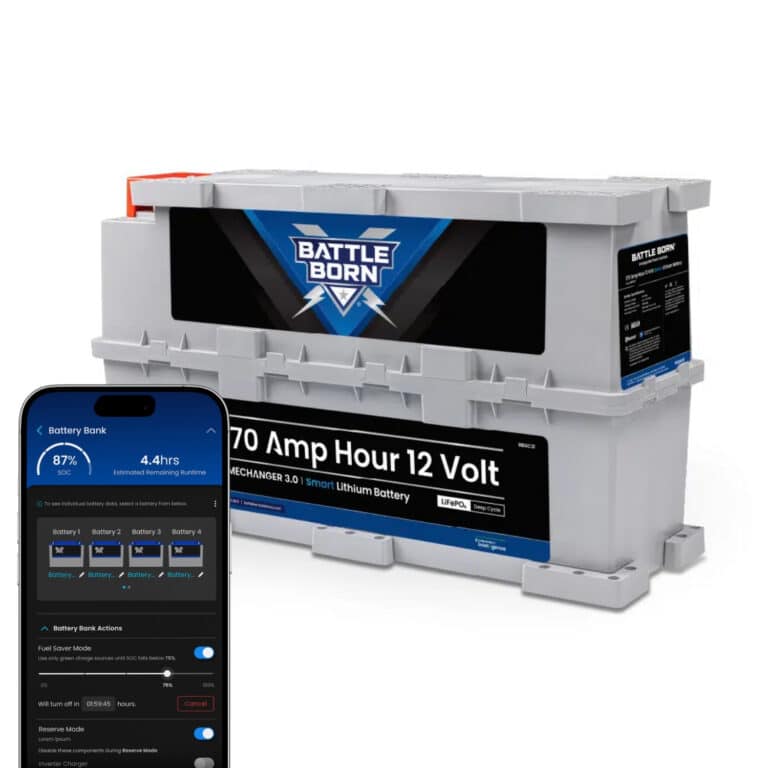
That’s where dependable, high-efficiency batteries like Battle Born’s 12V LiFePO₄ Deep Cycle Batteries make all the difference, storing more usable power, recharging faster, and lasting years longer than lead-acid options.
A solar setup is the cleanest and quietest power source for RV boondocking. Solar panels collect energy from the sun and feed it through a charge controller to your batteries. Charge controllers are the electronics required to properly charge the batteries from the panels.
Why it works:
Many campers ask, “What if I park in the shade to stay cool?”
Solar output can drop by more than half under even partial shade. A smart solution is to pair rooftop panels with a portable solar kit you can move into the sun. However there are almost always situations where enough sun is not possible, and why many of our customers also travel with an auxiliary power source.
Learn more:

When sunlight fades, a generator becomes your fastest power source for RV boondocking. Generators are usually powered by gasoline, diesel, or propane engines. Some RVs have them built in, while others rely on a portable generator unit that can be brought along in storage.
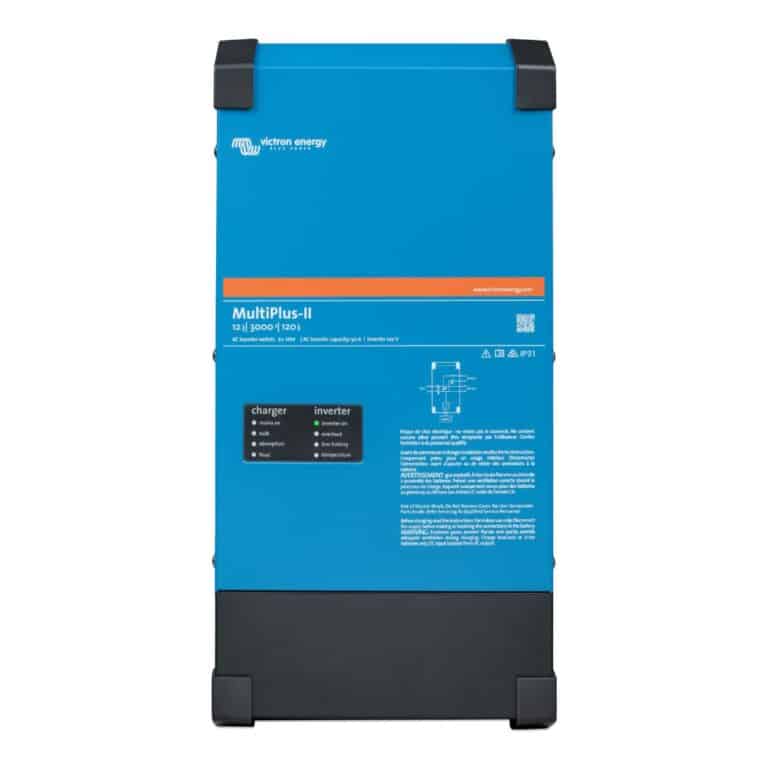
It recharges your system through a converter or inverter/charger. These chargers/converters are the same units used to recharge the batteries from shore power and are built into almost every battery system.
With fast-charging batteries like lithium RV batteries, you may only need to run your generator for a short period of time each day. Many lithium users can get all their energy needs from a generator with about an hour’s runtime, storing the energy in batteries, then using the batteries the rest of the day without the noisy generator running. Without good batteries, the generator will need to run for many hours or even all night.
For lithium batteries, use a charger with a lithium charge profile (14.2–14.6V bulk/absorption and 13.6V float). Many first-timers discover that standard lead-acid RV converters undercharge lithium batteries, leaving 20–30% of capacity untapped.
And remember: some campgrounds limit generator hours. Plan for a high-amp charger so you can top off batteries in a short runtime window.

Driving between campsites a lot? Your vehicle’s engine can act as another power source!
All vehicles have a small generator in the engine called the alternator that makes power for the vehicle, and some of that power can be used for charging your batteries.
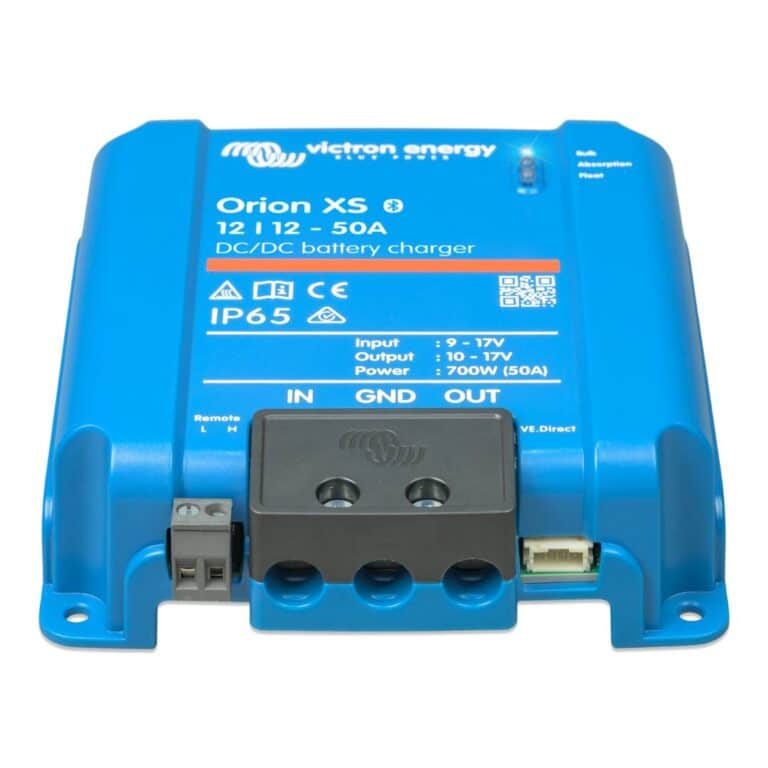
However, a common worry is that lithium batteries might overload the alternator, which is possible without proper regulation. The cleanest way to fix this is with a device called a DC-DC charger. This device manages current and voltage, protecting both systems and charging efficiently while you drive.
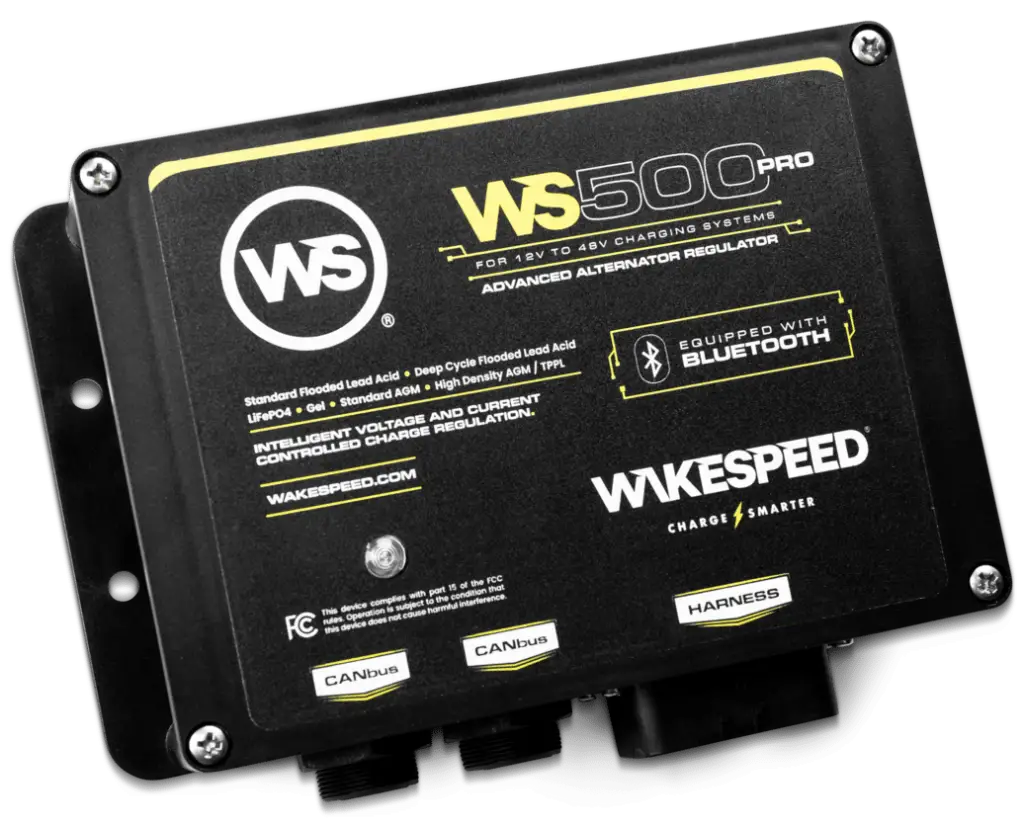
Some users take alternator charging to the extreme, adding a second alternator dedicated to charging their camper batteries. These systems use dedicated alternator controllers like our Wakespeed unit to maximize charge. This is a great choice for those who drive a lot and can even be the primary power source.
Experienced off-grid RVers frequently use all three of these charging methods together. Combining solar + generator + alternator gives you energy redundancy and flexibility. With a properly set-up system, all three methods can even be used at the same time.
| Source | Ideal Use | Key Component |
|---|---|---|
| Solar | Everyday baseline | MPPT Charge Controller |
| Generator (gas, propane, diesel) | Backup on cloudy days | Lithium-ready Converter/Charger |
| Alternator | While driving | DC-DC Charger |
Together, they create a resilient charging system and your ultimate power source for RV boondocking.
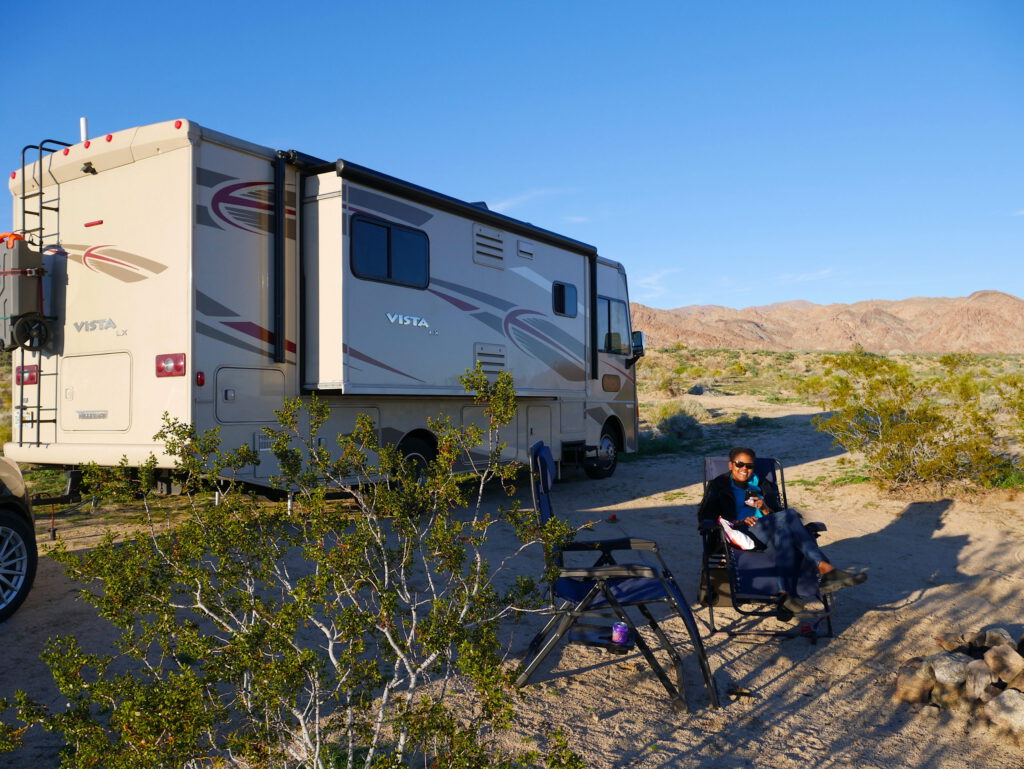
If you’re new to boondocking, keeping your RV batteries charged may seem daunting. However, with the right preparation and equipment, it can even gamify camping.
Before your trip, it’s good to estimate your daily power use. This is the #1 reason new boondockers lose power early: most underestimate how much energy fridges, fans, and lights consume overnight.
👉 Learn how to calculate in RV Boondocking 101: Sizing an Off-Grid Power System.
We recommend using a shunt-based battery monitor, as voltage alone can be misleading and cause unexpected cutoffs. This is the most accurate way to know the percentage battery left and how much power you’re using at any given moment.
Standard lithium batteries shouldn’t be charged below freezing (our batteries won’t charge below freezing). Choose heated Battle Born lithium batteries or install them in a heated compartment for cold-weather use. Our batteries will discharge just fine in cold, but require temperatures above 25 to start charging again.
🔗 There are a few essential upgrades we think every boondocking RV needs to have: Boondocking RV Upgrades

Some RV owners worry that lithium batteries are “overkill” for RV setups. In reality, Battle Born LiFePO₄ batteries are purpose-built for remote travel: durable, low-maintenance, and endlessly rechargeable. Once you go lithium, you won’t ever go back to lead-acid. The difference is night and day.
Advantages:
That efficiency means less generator time, quieter nights, and true energy independence.

Even experienced RVers run into preventable charging issues when living off-grid.
If your batteries don’t seem to charge fully, your inverter trips unexpectedly, or your alternator runs hot, chances are one of these common mistakes is to blame. Avoiding them will keep your power source for RV boondocking reliable and your batteries healthy for years to come.
Avoiding these pitfalls ensures your RV batteries deliver full performance on every boondocking trip—no generator surprises, no overnight power loss, and no early battery failure.
Ready to go boondocking? We asked several RVers to share their favorite boondocking campsites.
How long your RV batteries will last off-grid depends on two main factors: your daily energy use and how much usable capacity your batteries actually provide. Most RVers are surprised to learn that lead-acid and lithium batteries don’t deliver the same usable energy—even when the amp-hour rating looks similar.
A 12V 100Ah Battle Born LiFePO₄ battery provides almost its full rated capacity because lithium can be safely discharged down to 100% depth of discharge without damage.
➡ 1 battery = ~1 full day of off-grid use
➡ 2–4 batteries = multi-day or unlimited boondocking with solar
Because lithium delivers consistent voltage throughout the discharge cycle, inverters and appliances run more reliably, and charging is 4–5× faster.
Most RVs ship with two 6V golf-cart batteries wired in series or two 12V deep-cycle batteries. While they may be rated similarly (around 200–220Ah total), lead-acid has a major limitation:
❗ You can only safely use about 50% of their rated capacity.
Discharging below 50% dramatically shortens lifespan.
Here’s what that looks like in practice:
That seems similar to one lithium battery… until you factor in voltage drop, Peukert losses, and inverter inefficiencies. In real-world boondocking:
➡ Typical usable runtime: 12–18 hours
➡ Heavy loads (inverter + fridge) can reduce that to 8–12 hours
Lead-acid voltage drops steadily as they discharge, which means your inverter may cut out even when the batteries still technically have “capacity” left.
Running more than lights, fridge, and fans? Use our free Battery Calculator to determine your RV battery needs. Some of our users run full households worth of appliances completly off grid on our batteries! The sky is the limit on what you can power with a properly sized and designed system.

With the right system, you can get out there and stay out there powered confidently by Battle Born lithium batteries, the most trusted power source for RV boondocking.
How can I charge my RV battery when boondocking?
Use solar panels, a generator, or your alternator (with a DC-DC charger) to recharge safely.
What is the best power source for RV boondocking?
A combination of solar and Battle Born LiFePO₄ batteries offers the quietest, most reliable off-grid energy.
Can solar alone keep batteries charged?
Yes, if your array is properly sized and oriented.
Can I charge lithium batteries in freezing weather?
Only if they are heated or pre-warmed; never charge a cold lithium battery. (Battle Born Batteries Will safely disconnect if attempted)
Do I need a special charger for lithium?
Yes, a lithium-specific charger or converter ensures proper voltage and full charging.
We know that building or upgrading an electrical system can be overwhelming, so we’re here to help. Our Reno, Nevada-based sales and customer service team is standing by at (855) 292-2831 to take your questions!
Also, join us on Facebook, Instagram, and YouTube to learn more about how lithium battery systems can power your lifestyle, see how others have built their systems, and gain the confidence to get out there and stay out there.