


Choosing the right inverter is crucial for any RV owner looking to enjoy home comforts on the road. In this guide, we’ll explain what a pure sine wave inverter is, whether you need one for your RV, how it compares to other types, and how to select and use the right unit. We’ll also cover common issues, installation tips, inverter safety, what to avoid, and highlight some top inverter brands. By the end, you’ll have a clear roadmap to powering your RV safely and efficiently off-grid.

An inverter is a device that converts DC battery power into AC electricity that closely matches the power you get from household outlets. The term “pure sine wave” refers to the smooth, wave-like pattern of the voltage it produces, just like the power from the grid. This pure output is important because it’s what AC appliances are designed for.
Unlike modified sine wave inverters, which create a rough, choppy approximation of AC power, pure sine wave inverters generate a continuous and consistent wave. This difference matters when it comes to powering sensitive electronics and ensuring the longevity of your appliances.

Not every RV setup requires a pure sine wave inverter, but with the number of electronics we have these days, it’s usually the preferred choice.
If you plan to run devices like laptops, smart TVs, game consoles, CPAP machines, or anything with microprocessors or delicate circuitry, a pure sine wave inverter is highly recommended. The reason is that the smooth sine wave is what these electronics are built to expect, while a choppy sine wave can create “transients”—spikes of voltage and power that may cause sensitive electronics to malfunction or even damage certain electrical components.
One place you can frequently hear the transients is when running audio equipment on a modified sine inverter. Often, your equipment will produce an audible buzz in the speakers as the electronics can’t filter out all the electrical noise of the inverter.

Appliances with AC motors (like air conditioners, refrigerator compressors, fans, and washing machine pumps) perform better on pure sine wave. They run cooler and more efficiently, whereas on a modified sine wave, they may run hotter or make loud humming noises caused by those transients. If your RV has a residential fridge or air conditioner running off the inverter, pure sine is generally the way to go for longevity and performance.
If your power needs are very simple, such as charging phones, running some lights, or powering a hair dryer, you might get by with a modified sine wave inverter to save money. Simple resistive loads like incandescent lights or heating elements (toasters, space heaters) will “work” on modified sine wave as well with no problem. However, even these draw a lot of power (heaters/toasters often 1000W+), which can quickly deplete batteries. So for high-wattage appliances, regardless of wave type, you must have a robust battery bank.

If you’re running anything sensitive or expensive, a pure sine wave inverter offers peace of mind. If you’re just powering the bare basics and cost is a big factor, a modified sine wave unit could suffice—but be aware of its limits.
Many RVers start with a modified inverter for budget reasons, then upgrade to pure sine as they add more electronics or encounter issues like odd noises or device failures.
Not sure if your current RV inverter is pure sine wave or not? Here are a few ways to check:
Ultimately, the only way to know for sure if your inverter is pure sine is to look at the waveform with a special tool called an oscilloscope. These aren’t common tools for most RVers or even all electricians—they’re specialized equipment used in the electronics industry.
Sizing an inverter is the same no matter the type, and we have a detailed article all about it. The basics are as follows:
Popular Pure Sine Wave Inverter Sizes:
Always size for your realistic needs, not just for the biggest possible number. Larger inverters draw more idle power and are less efficient if rarely loaded up.
Want to Learn More About Inverter Sizes?
Not sure which inverter size is right for your RV? Check out our complete guide to Victron Energy pure sine wave inverters. We break down the different sizes, key features, and which models best fit your power needs—whether you’re running the basics or going fully off-grid.
Explore Victron Inverter Options and Sizing →
Your inverter is a critical part of your RV’s electrical system, so safety and compliance are non-negotiable. Here’s what to look for:
Yes, a modified sine inverter introduces transients that can cause problems or even damage electronics. However, it depends on the inverter and electronics—some function without issue.
Some modified sine inverters have decent power filtering that reduces stress on components, while others are very harsh. Likewise, some electronics have good power filtering that easily smooths out modified sine power and doesn’t cause issues. The trouble is that it’s hard to know what combination is okay and what might cause problems.
A properly functioning pure sine inverter will not damage your electronics, in fact, it helps prevent damage from poor power quality from the grid. The only risk comes from rare inverter malfunctions or user errors (miswiring, overvoltage, etc.). If the inverter is overloaded, it may trip off abruptly, and in some cases, this can cause a transient that could damage electronics, so it’s still wise to use surge protectors between expensive electronics and the inverter.
Inverters themselves are electronics and, while a high-quality unit should be robust, they are still susceptible to damage like any electrical device. Risks include:
Not all “pure sine” inverters are created equal! Here’s how to avoid the duds and false marketing:
A quality inverter is an investment in your RV’s safety, comfort, and long-term value.
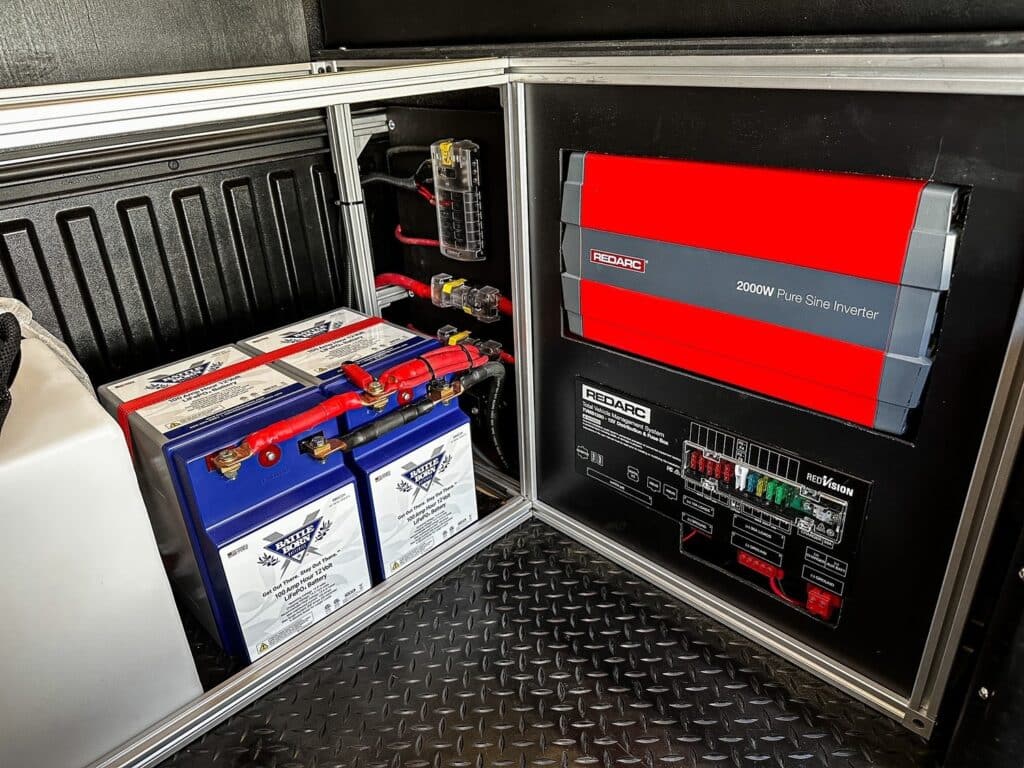
There are many options on the market, but a few brands stand out for their reliability, features, and support:
When comparing models, look at warranty length, surge ratings, customer support, and, if you want to bundle, compatibility with your RV’s lithium battery system.
While there are many more pure sine wave inverter options than ever, it’s important to note that many new models, especially those sold directly from overseas manufacturers, don’t have the same track record of reliability, safety, or customer support as the established brands listed above. These new entrants are not necessarily “bad,” but many are relatively untested in real-world RV or off-grid scenarios.
Without years of independent testing, UL or ETL certifications, or consistent support, it can be difficult to know what you’re really getting. For peace of mind, proven performance, and trustworthy warranties, most experienced RVers and installers still recommend choosing an inverter from a reputable brand with a documented history in the North American market.
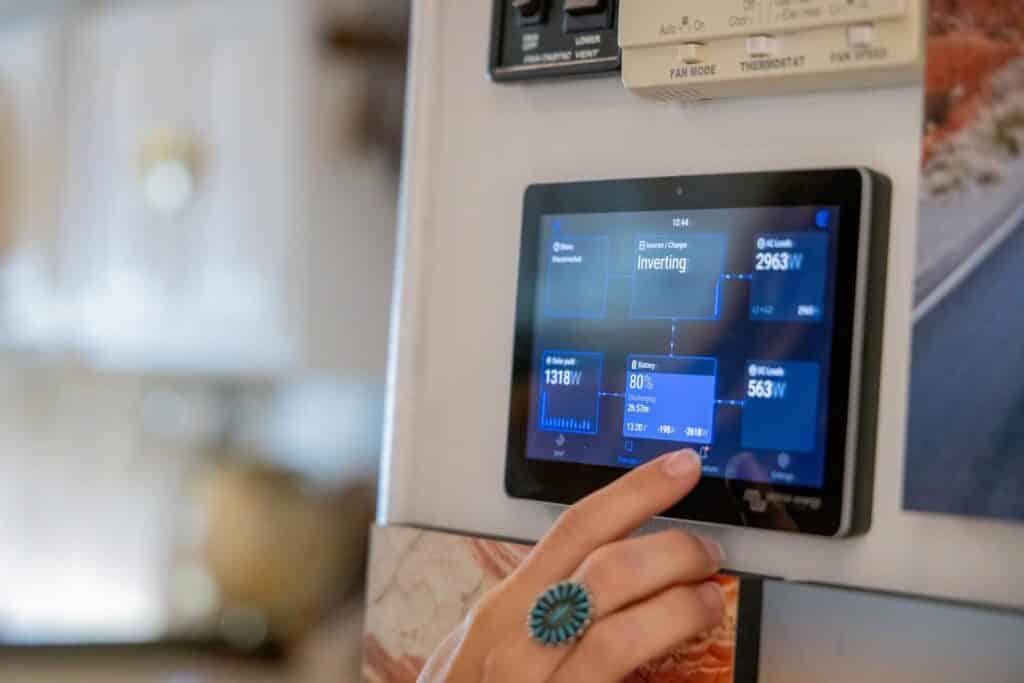
Choosing the right pure sine wave inverter for your RV setup protects your investment in appliances, delivers true home comfort on the road, and sets you up for years of worry-free travel, especially when paired with a high-quality lithium battery system like Battle Born. For personalized advice or to bundle your next upgrade, reach out to the Battle Born team for expert, RV-specific support.
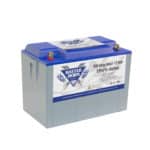
Pairing a pure sine wave inverter with Battle Born Batteries’ LiFePO4 lithium batteries is the smart way to get the most from your RV power system. Our batteries work with all DC inverters matched to the voltage. Battle Born’s team offers expert technical support, system sizing, and inverter-battery matching to ensure your setup works seamlessly.
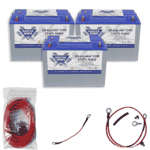
Whether you’re upgrading an old rig or building a cutting-edge off-grid coach, Battle Born can help you choose and bundle the right inverter with your battery bank, wiring, and accessories for a plug-and-play experience. Don’t risk mismatched gear—let our tech support guide you to a system that fits your travel style and keeps your adventures powered.
Q: Do I need a pure sine wave inverter to run a TV?
A: For most modern TVs, a pure sine inverter is best to avoid screen lines and buzzing. Some older TVs or small sets may work on modified sine, but it’s not recommended.
Q: Can you run a fridge on a pure sine wave inverter?
A: Yes! In fact, a pure sine inverter is the ideal way to power RV or residential refrigerators—motors run cooler and more efficiently, and sensitive electronics in digital fridges won’t be harmed.
Q: How long will an inverter run a refrigerator?
A: This depends on your fridge’s wattage (size), temperature, and your battery capacity. For example, a 200W fridge running off a 200Ah lithium battery can run for about 10–15 hours continuously, or more likely a few days in moderate temperatures before you need to recharge (assuming some margin for inverter efficiency and not running the battery to zero). These numbers are hugely variable due to operating conditions, however.
Q: What will a 2000-watt pure sine wave inverter run?
A: A 2000W inverter can typically run a microwave, coffee maker, blender, TV, and laptop at the same time, or a single small air conditioner. Always check appliance surge and running wattages and add them up to know for sure.
Q: Do LED lights need pure sine?
A: In an RV, most LED lights are run directly on the DC battery power and don’t require an inverter at all! In AC systems like a home, most modern LED bulbs will run on modified sine, but some may flicker or hum. For best results, especially with LED drivers and dimmers, use pure sine.
Q: How to reset a pure sine wave inverter? Most models have a reset or power switch—turn off, wait a few moments, and turn back on. Consult your manual for specific reset procedures, especially after an overload.
Q: Can I use a pure sine inverter with solar? Absolutely—pure sine inverters are an excellent match for solar-charged lithium battery banks in RVs. Make sure the inverter is sized for your solar input and load.
Q: Can I upgrade from modified to pure sine without rewiring? In most cases, yes! As long as your new inverter is sized appropriately for your system, it should be a direct swap. Check cable sizes and fusing if you’re increasing inverter wattage.
We know that building or upgrading an electrical system can be overwhelming, so we’re here to help. Our Reno, Nevada-based sales and customer service team is standing by at (855) 292-2831 to take your questions!
Also, join us on Facebook, Instagram, and YouTube to learn more about how lithium battery systems can power your lifestyle, see how others have built their systems, and gain the confidence to get out there and stay out there.