
MENUMENU
TALK TO AN EXPERT
Special Hours: 7AM – 6PM PST


Choosing the right deep-cycle battery for your RV comes down to fit, capacity, and how you actually use your rig. From weekend camping to full-time boondocking, the battery you choose directly impacts how long you can stay off-grid and how reliably your electrical system performs.
This guide breaks down Battle Born’s deep cycle RV battery lineup and explains which options work best for different RV setups, battery compartments, and power needs—so you can choose the right battery with confidence.

RVs rely on 12V house batteries to provide steady, reliable power over long periods of time for their daily functions when no grid connection is available. Unlike starter or chassis batteries, which are designed to deliver short bursts of high current to start an engine, deep-cycle batteries are built to be discharged and recharged repeatedly and supply consistent power.
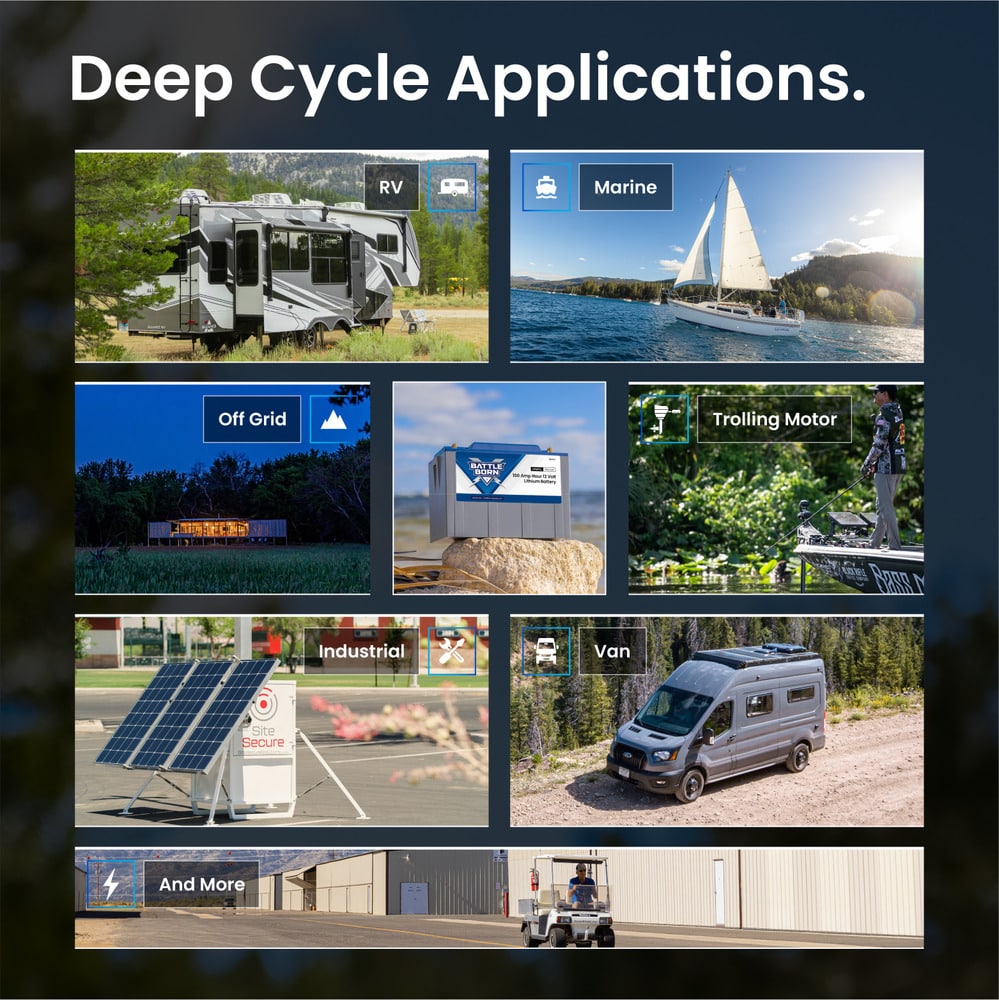
Deep cycle batteries are essential for RV applications such as:
🔋 If you want a deeper explanation of how deep cycle batteries work and how they differ from other battery types, see our guide: What Is a Deep Cycle Battery.
🚐 If you’re actively replacing or upgrading an existing system, our article on How to Replace and Upgrade Your Camper Battery walks through the process step by step.
The biggest shift in the RV battery world over the past decade has been the move from traditional lead-acid batteries to lithium batteries, specifically lithium iron phosphate (LiFePO₄).
For RV owners, this shift means:
While lead-acid and AGM batteries are still used in some RVs, lithium batteries have become the preferred option for RVers who boondock, run inverters, or want a long-term power solution.
⚡️ Deep cycle lithium batteries aren’t just for RVs either! Discover the many uses of batteries.
Different battery chemistries offer different tradeoffs. The table below provides a high-level comparison, with links to more detailed resources if you’d like to dive deeper.
| Battery Type | Usable Capacity | Maintenance | Weight | Typical Lifespan | Best For |
| Flooded Lead-Acid | ~50% | High | Very Heavy | Short | Lowest upfront cost |
| AGM | ~50% | None | Very Heavy | Short | Maintenance-free lead-acid |
| Lithium (LiFePO₄) | 80–100% | None | Light | Very Long | Modern RV electrical systems |
Many RV owners researching “the best deep cycle RV batteries” ultimately land on lithium because of its performance, longevity, and overall value over time.
Before looking at specific batteries, it helps to consider a few practical factors:
With those considerations in mind, the sections below break down Battle Born’s deep cycle RV battery lineup and explain which setups each model is best suited for.
All Battle Born deep-cycle RV batteries share the same core design philosophy and performance characteristics. The differences between models come down to physical size, capacity, and fitment, not chemistry or quality.
Every Battle Born deep-cycle RV battery features:
Because these batteries share the same underlying performance, choosing the right model is mostly about selecting the size and capacity that best match your RV.

The table below summarizes the key differences between Battle Born deep-cycle RV batteries. Detailed specifications and pricing are available on each product page.
| Model | Voltage | Capacity (Ah) | Energy (Wh) | Weight | Dimensions (L × W × H) | Options | Best Fit |
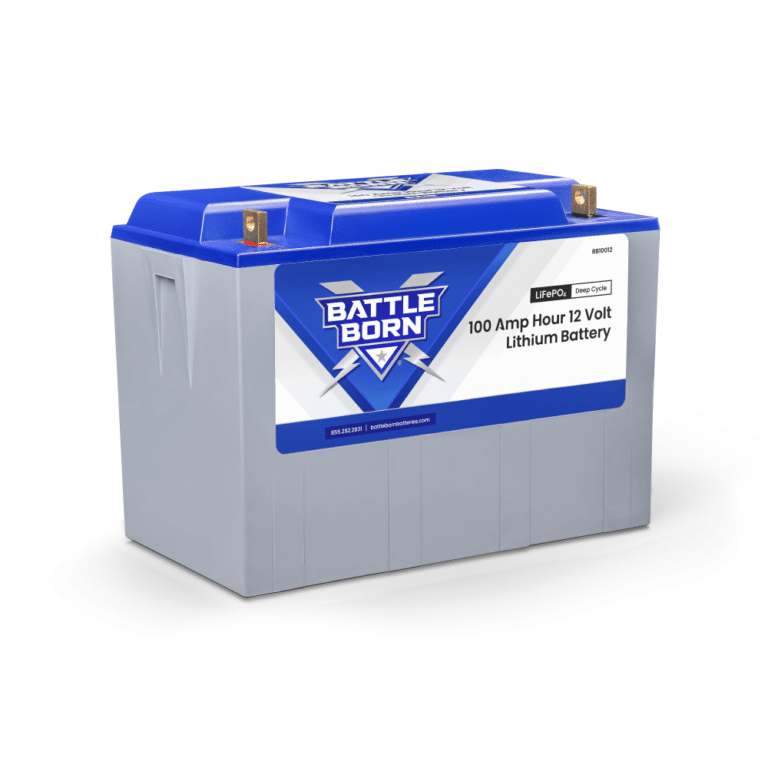
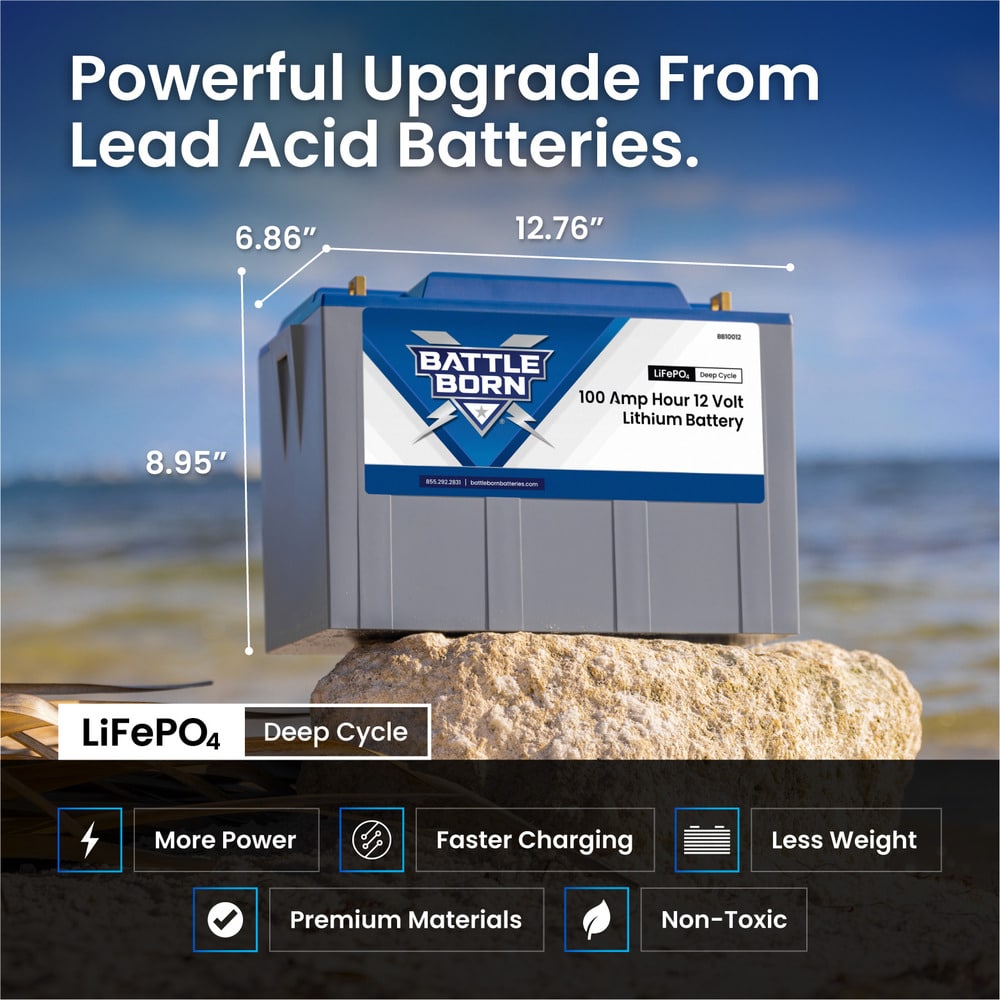
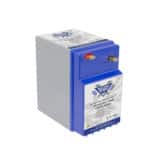
| BB10012 | 12V | 100Ah | ~1,280Wh | 31 lbs | 12.76 × 6.86 × 8.95 in | Heated Smart Smart+Heated | Most RVs / modular bank |
| GC2 LiFePO₄ | 12V | 100Ah | ~1,280Wh | 30 lbs | 10.32 × 6.86 × 11 in | Heated Smart Smart+Heated | GC2 footprint replacements |
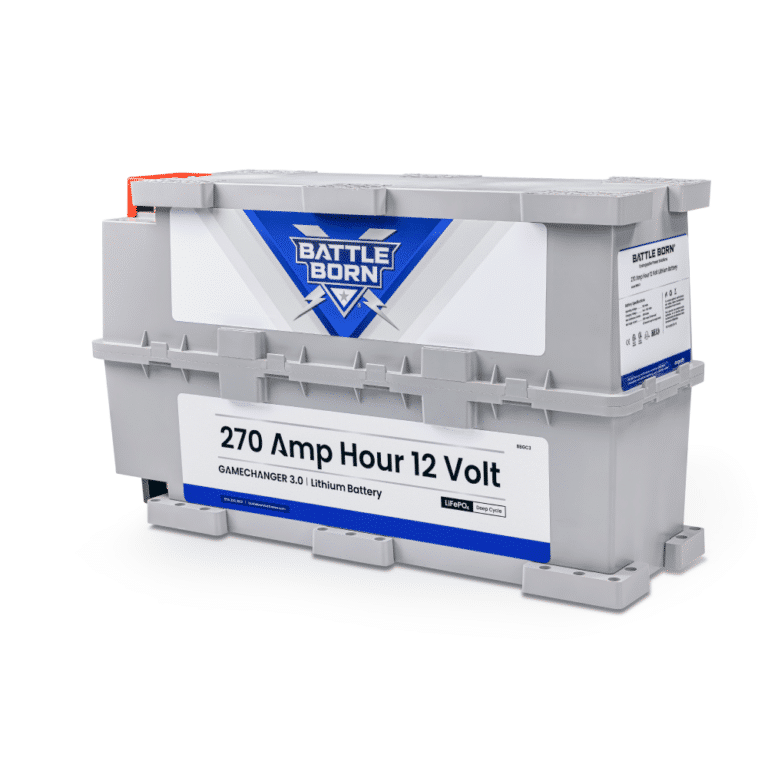
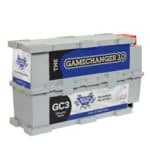
| GC3 (BBGC3) | 12V | 270Ah | ~3,456Wh | 80.8 lbs | 22.83 × 7.09 × 13.15 in | Heated Smart Smart+Heated | High-capacity bank / full-time |
| Group 24 (BB1275) | 12V | 75Ah | ~960Wh | 27 lbs | 10.49 × 7.11 × 8.95 in | Heated | Small campers / tight spaces |
| BB5024 | 24V | 50Ah | ~1,280Wh | 31 lbs | 12.76 x 6.86 x 8.95 in. | Heated | Parallel configuration for 24V systems (instead of 12V in series) |
Energy (Wh) – calculated by multiplying nominal Voltage × Amp-hours for easier apples-to-apples comparison.
For example:
100 Ah × 12 V ≈ 1,280 Wh usable power at full depth-of-discharge.
🚤 These specs also matter for boaters – check out our comprehensive guide on deep cycle marine batteries to learn more.
Choose this battery if:
How it’s different:
Fitment snapshot:
Choose this battery if:
How it’s different:
Fitment snapshot:

Choose this battery if:
How it’s different:
Fitment snapshot:
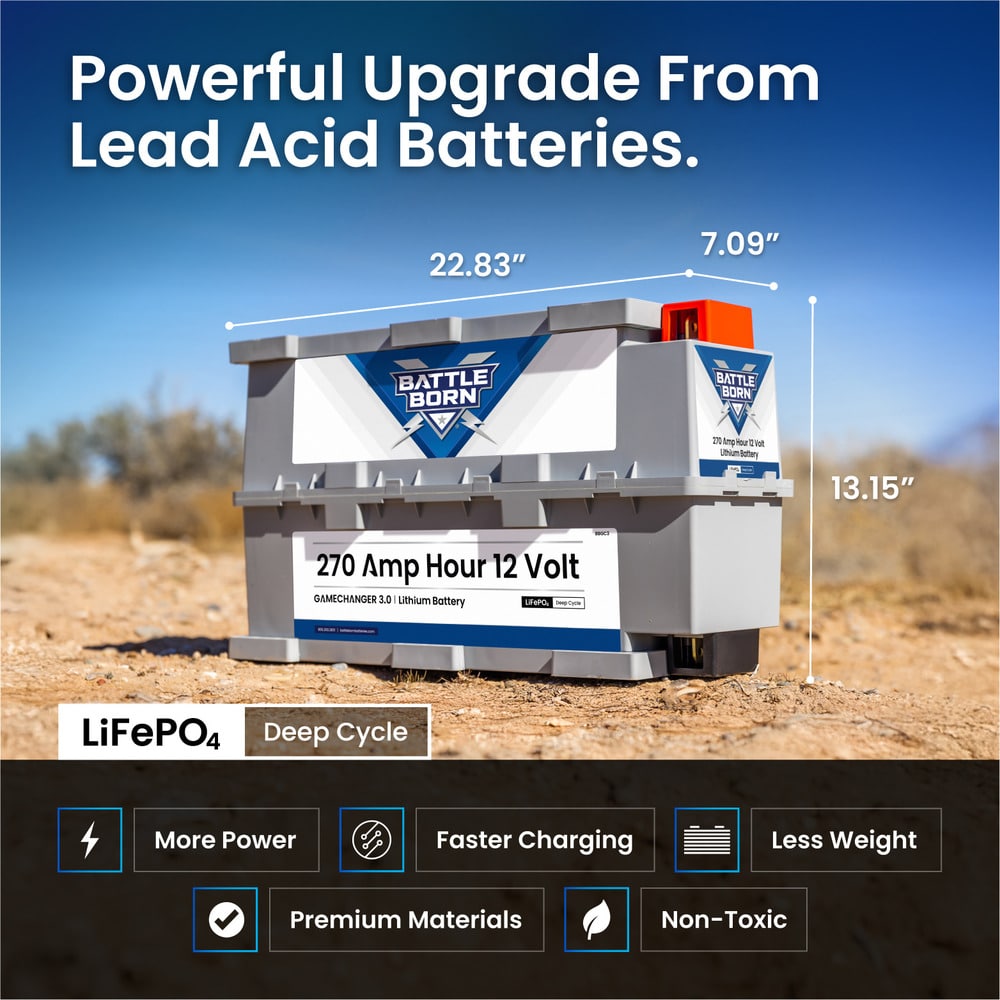
Choose this battery if:
How it’s different:
Fitment snapshot:
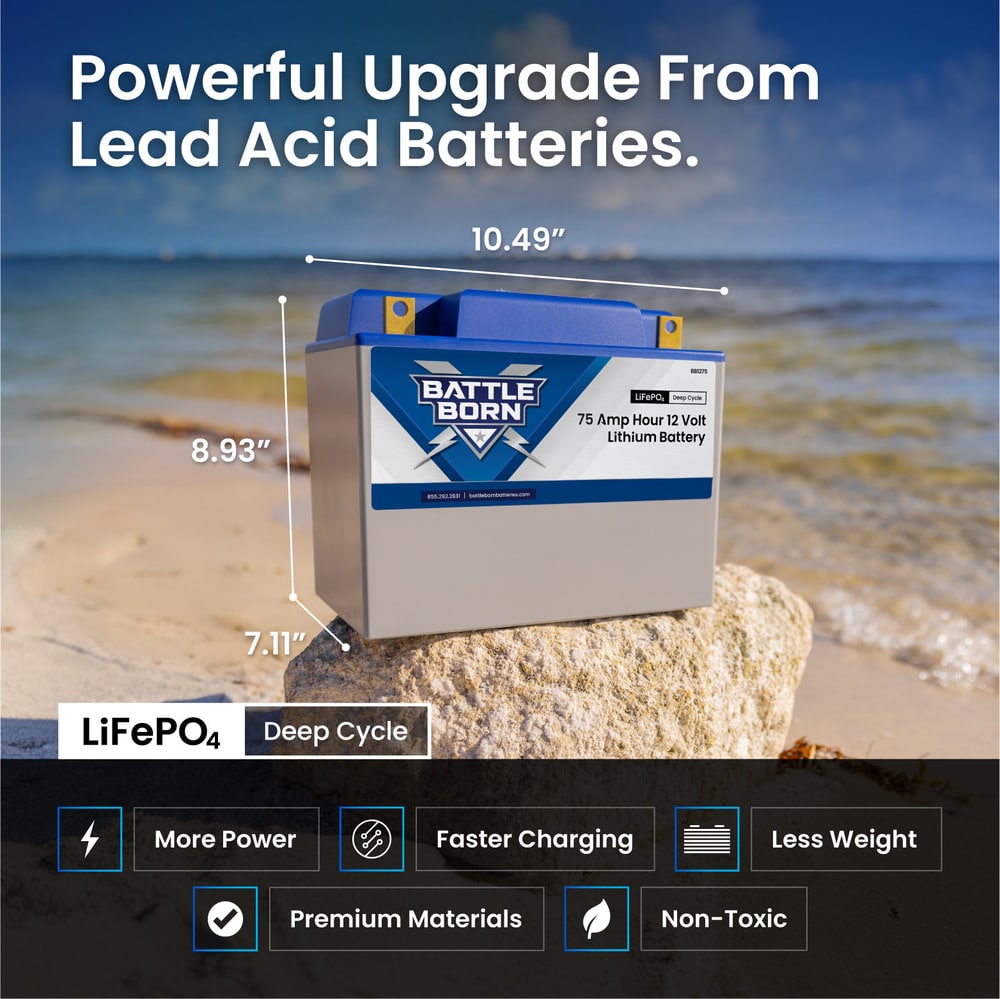
Choose this battery if:
How it’s different:
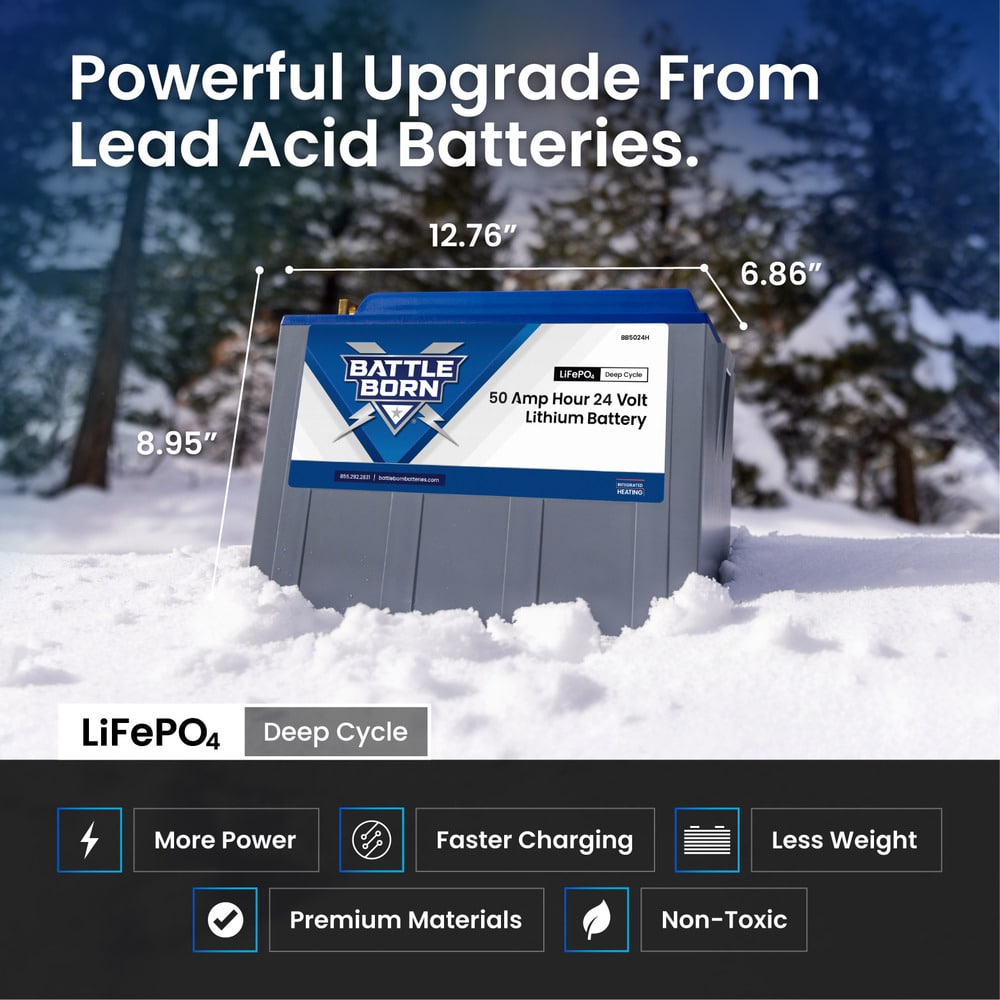
⚡️ Before you build ➡️ Understand batteries in series vs. parallel and the difference between 12V and 24V RV electrical systems.

Lithium batteries perform great in the cold compared to lead acid, but can be damaged if they charge when too cold. Our batteries will stop charging automatically below 26 degrees to protect themselves. Our heated deep-cycle RV batteries solve this by automatically warming the cells before charging, and we offer this on all of our battery types.
Heated batteries are not required for everyone who camps below freezing, however. Many of our customers install their batteries in heated sections of the RV and do not have problems charging in the winter.
However, if you are installing batteries in vented or locations exposed to the outside temperature, you may need heated versions to function below freezing temperatures. This is a common issue when replacing lead-acid battery bank because they are always installed in locations that require ventilation.
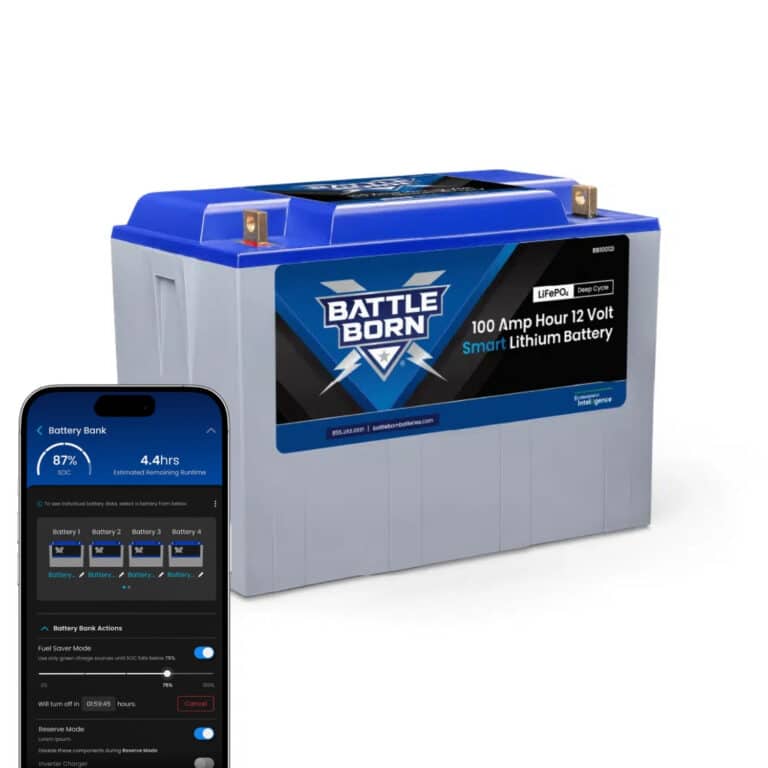
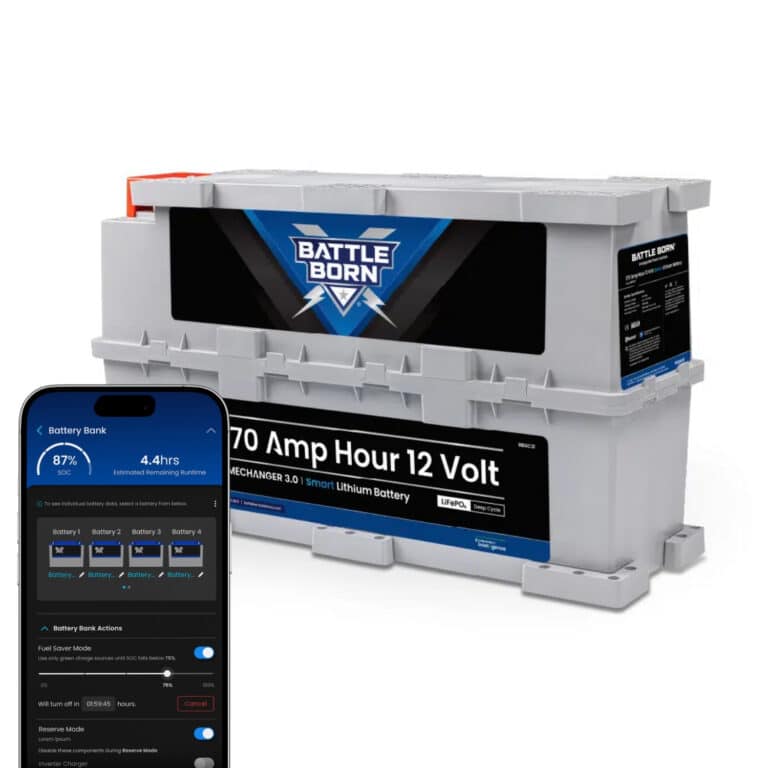
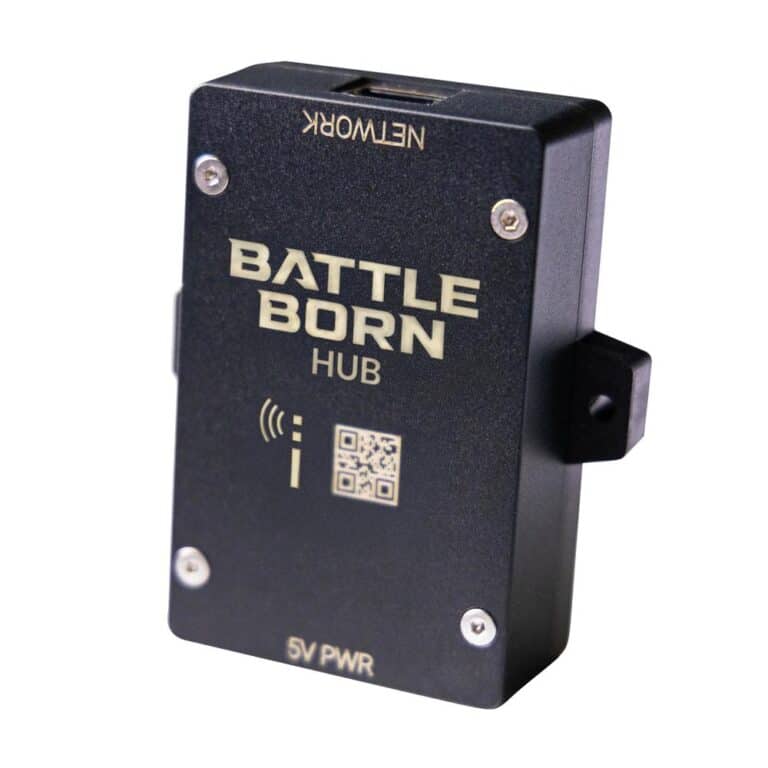
Battle Born Smart LiFePO4 Deep Cycle Battery technology, driven by Dragonfly IntelLigence®, includes built-in Bluetooth monitoring, allowing you to view real-time battery status directly from your phone. When paired with a Hub, multiple batteries can be meshed together, often eliminating the need for a separate battery monitor while still providing visibility into each battery in the bank.
This level of insight makes it easier to build a balanced battery system and quickly identify issues if they arise. In series battery banks especially, monitoring individual batteries helps ensure the system stays healthy and operating at peak performance.
Smart lithium batteries are a great choice for RVers who want advanced system data, prefer a simpler installation without a standalone battery monitor, or plan to build a more complex 24V or 48V battery system.
Battle Born Batteries are designed specifically for RV and off-grid power systems. We have focused on improving the RVing experience since we started building batteries. Every battery is built to handle the real-world electrical demands of RV life, backed by long warranties and U.S.-based technical support and years of real-world testing.
If you’re not sure which battery is right for your RV, our technical specialists are always available to help you choose the best deep-cycle RV battery for your setup.
We know that building or upgrading an electrical system can be overwhelming, so we’re here to help. Our Reno, Nevada-based sales and customer service team is standing by at (855) 292-2831 to take your questions!
Also, join us on Facebook, Instagram, and YouTube to learn more about how lithium battery systems can power your lifestyle, see how others have built their systems, and gain the confidence to get out there and stay out there.