
MENUMENU
TALK TO AN EXPERT
Special Hours: 7AM – 6PM PST


When it comes to lithium batteries in cars, the term can mean a few very different things. Some people think of the massive battery packs that power electric vehicles (EVs), while others are talking about smaller 12-volt lithium batteries meant to replace a traditional starter battery. Lithium systems can even be added as auxiliary power for running accessories or storing energy while the vehicle is off. They all use “lithium” technology, but they’re not the same—and knowing the difference can help you avoid costly mistakes.
In this article, we’ll clarify what kinds of batteries belong in cars, which don’t, and how to safely add lithium power to a vehicle.
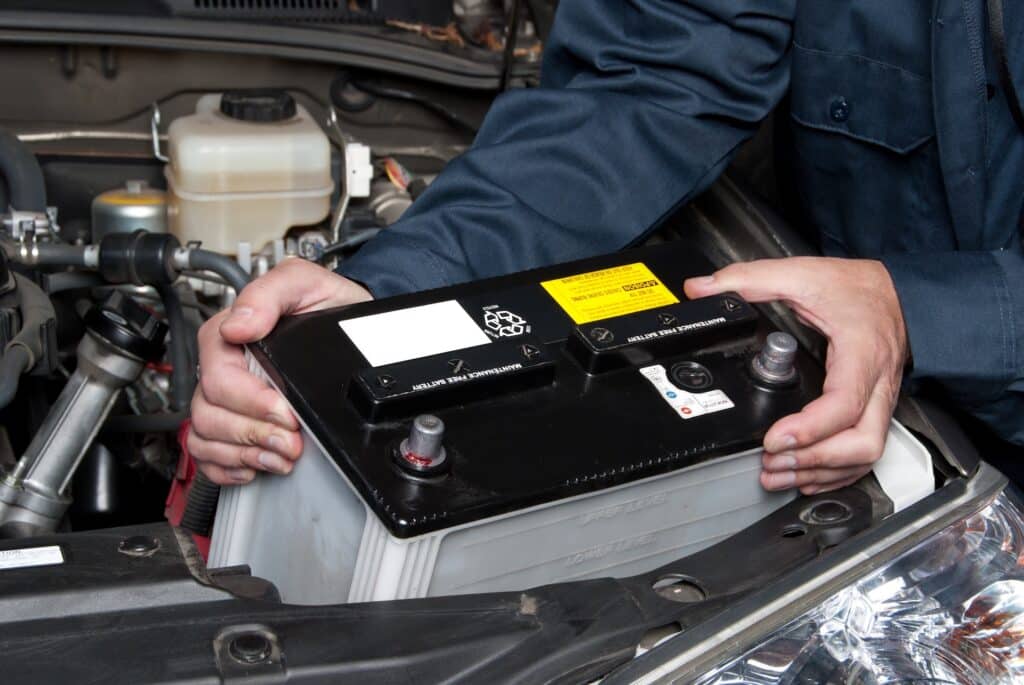
Yes—but it depends on what kind of lithium battery you’re talking about and what it’s being used for. Lithium technology shows up in vehicles in several ways, each with a different purpose:
In short, lithium batteries can absolutely be used in a car—but each serves a very different role.
Electric vehicles use lithium batteries, too, but their chemistry, design, and purpose are completely different.
EV battery packs use variations of lithium-ion chemistries. These include NMC (Nickel Manganese Cobalt) or NCA (Nickel Cobalt Aluminum), chosen for their high energy density and ability to deliver sustained high power output. Many of these operate at 300-800 volts!
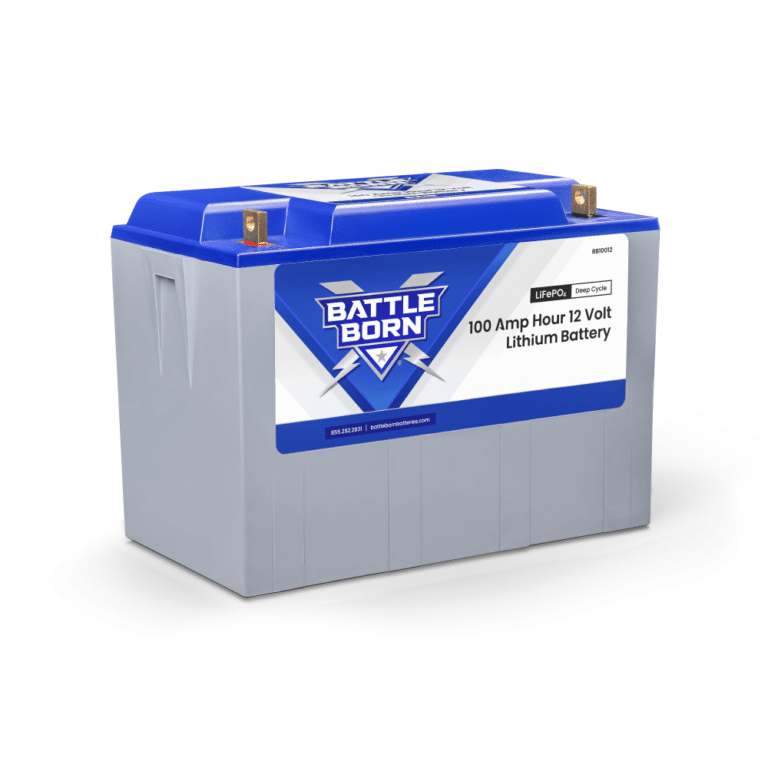
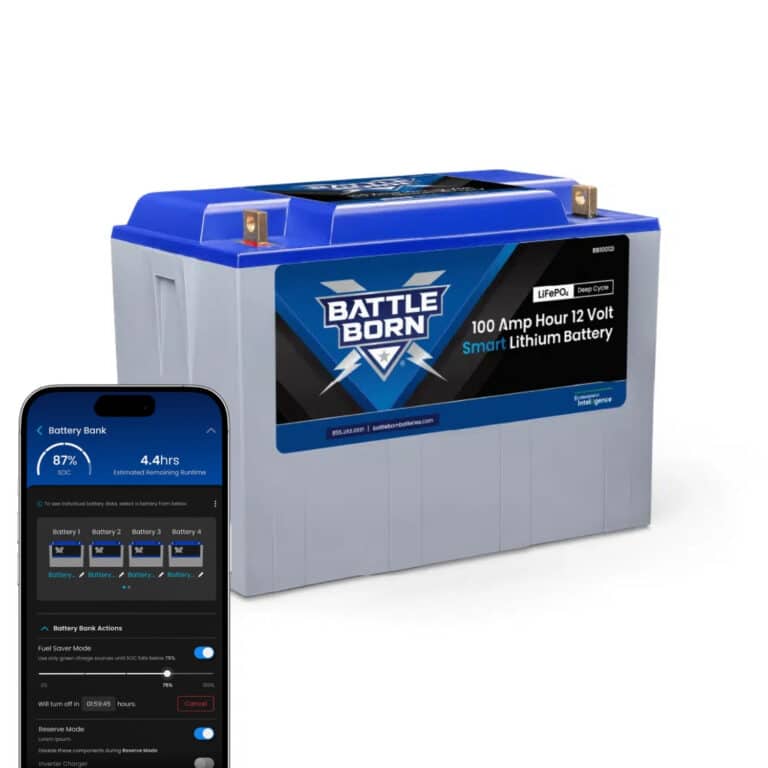
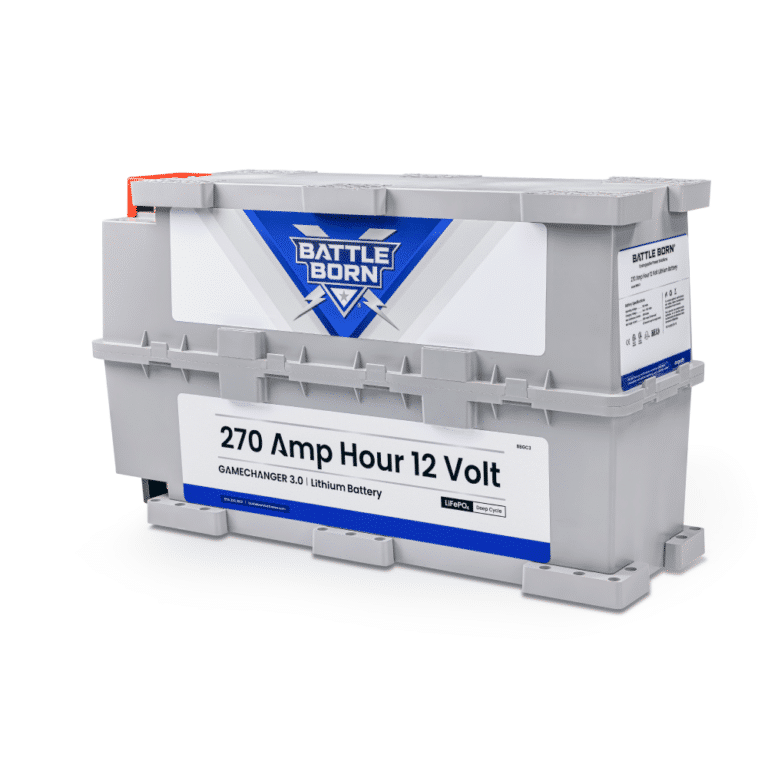
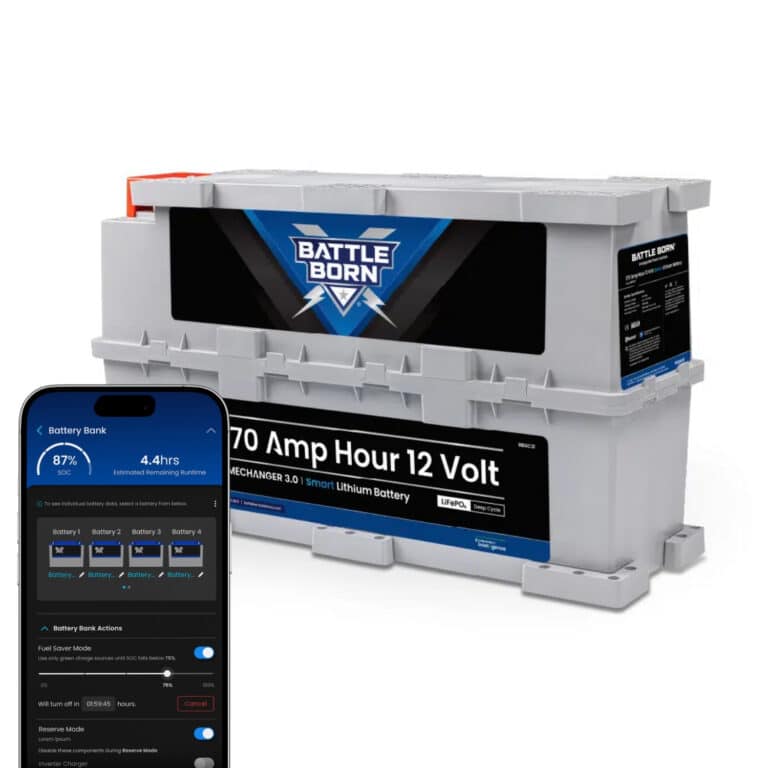
Energy storage batteries—like our LiFePO₄ batteries—are optimized for safety, long cycle life, and consistent energy delivery in off-grid and renewable applications. They’re not designed to propel a vehicle or serve as its starting battery.
Dig deeper into the differences between EV and storage battery chemistries.
Starting batteries are built to provide short, powerful bursts of energy to crank an engine. Once the engine is running, the alternator immediately takes over.
Deep-cycle batteries, on the other hand, provide a steady amount of energy over a long period of time.
While both battery types might look similar from the outside, their internal construction and battery management systems (BMS) are completely different. Most lithium batteries—usually the LiFePO₄ chemistry—are designed for deep-cycle use.
❗️Dropping a deep-cycle LiFePO₄ lithium battery into your car’s engine bay as a direct replacement for a lead-acid starter battery is not recommended.

LiFePO₄ (lithium iron phosphate) is a type of lithium-ion battery chemistry valued for its stability, safety, and long lifespan. This chemistry can be built for many different uses. Some LiFePO₄ batteries are engineered for engine starting, while others are optimized for deep-cycle energy storage.
➡️ The difference comes down to how the individual cells, internal connections, and battery management systems (BMS) are designed.
Most LiFePO₄ batteries, including those from Battle Born, are optimized for deep-cycle use. They provide steady power over long periods, withstand thousands of charge and discharge cycles, and maintain excellent voltage stability throughout their use. These qualities make them ideal for powering RVs, boats, and off-grid systems—not for engine cranking.
A traditional car battery, on the other hand, is a lead-acid starting battery. It delivers a quick, high-current burst to start the engine and then recharges from the alternator. It isn’t designed for deep discharge or sustained power delivery.
While LiFePO₄ can be engineered to produce short bursts of current, most models on the market are not built for that role.
Technically, yes—there are some LiFePO₄ batteries on the market designed specifically for starting engines. However, they’re built differently than deep-cycle LiFePO₄ batteries and still have limitations.
⚡️ Quick note: Portable lithium jump starter packs are built with a completely different type of lithium chemistry. They are usually Lithium Cobalt Oxide (LiCoO₂) or Nickel Manganese Cobalt (NMC). These chemistries can deliver very high current from a small, lightweight pack. But, they’re less stable than LiFePO₄ and intended only for short, occasional use—not as a replacement battery.
A true lithium starter battery will have a higher discharge current capability, a different internal configuration, and a Battery Management System (BMS) specially designed to handle high current spikes.
The BMS monitors temperature, voltage, and current flow. It will shut down the battery if it detects unsafe conditions like overcurrent, overheating, or overcharging.
By contrast, traditional lead-acid batteries have no such electronics and can almost always be revived with a jump start.
Additionally, many automotive battery compartments are harsh environments for lithium batteries. High temperatures near the engine, constant vibration, and unstable electrical loads can shorten their lifespan or damage internal components.
⚠️ For these reasons, Battle Born Batteries does not recommend or endorse the use of LiFePO₄ batteries as drop in engine starting batteries.

A few companies market LiFePO₄ starter batteries because the chemistry offers some appealing advantages over lead-acid—at least on paper.
From a marketing perspective, the appeal is obvious:
However, these benefits come with significant tradeoffs:
In short, companies build and market LiFePO₄ starter batteries because they can perform well under specific, controlled conditions—and they fill a niche for lightweight, high-performance vehicles, powersports, and racing. But for most cars and trucks, those same design limits make them a risky “drop-in” replacement.
🚤 The same questions come up on the water, too. If you’re wondering about lithium for marine starting systems, check out our deep dive on using lithium batteries to start your boat engine.
Still not convinced? Let’s dive into the chemistry characteristics that make LiFePO₄ a less optimal choice for starting batteries:
LiFePO₄’s crystal structure forms strong iron–phosphate bonds that make the material extremely stable during charge and discharge. This stability prevents oxygen release (which can cause overheating in other chemistries like NMC or LiCoO₂) and minimizes structural degradation over time. The tradeoff is lower energy density compared to other lithium chemistries. This means less power stored per pound, but far greater thermal and chemical durability, which is perfect for thousands of deep charge cycles.
LiFePO₄ cells deliver a steady voltage output across most of their discharge cycle, around 3.2V per cell, rather than a steep drop-off like other chemistries. That flat discharge curve is ideal for powering electronics or inverters that rely on consistent voltage as the battery discharges. For starting, however, this behavior isn’t required; the only need is to provide the sharp, high-current burst needed to spin an engine.
Compared to chemistries like NMC or LiCoO₂, LiFePO₄ has slightly higher internal resistance, which limits its ability to discharge massive currents in a short burst. That resistance is part of what makes it so efficient and long-lived in deep-cycle use; it controls current flow and reduces internal stress, but it also makes the chemistry less suited for cranking heavy loads.
Because LiFePO₄ operates at a lower voltage (3.2V nominal per cell) and experiences less mechanical and thermal stress per cycle, it can endure thousands of deep discharges with minimal degradation. Starting applications, by contrast, demand high peak current and minimal cycling, tasks that don’t leverage LiFePO₄’s strengths and, in fact, stress its structure unnecessarily.
In short: LiFePO₄’s chemical stability, voltage behavior, and internal resistance make it a deep-cycle champion—it’s built for longevity and steady output, not for delivering a momentary surge of power.

Safety concerns around lithium batteries—especially fires—are often exaggerated or misunderstood. In reality, LiFePO₄ batteries are among the safest lithium chemistries available. They are highly resistant to thermal runaway, meaning they’re far less likely to overheat or catch fire compared to other lithium-ion types.
However, installing any battery directly inside a vehicle’s engine compartment exposes it to high heat, vibration, and moisture. These conditions can degrade any battery over time.
Even purpose-built lithium starter batteries should only be installed in locations approved by their manufacturer. For deep-cycle storage batteries, we recommend installing them in climate-protected areas, away from engine heat.
If your goal is to add lithium power for accessories, electronics, or camping equipment, the best approach is to install a separate auxiliary power system. This keeps your vehicle’s starter battery independent, allows you to enjoy the benefits of lithium safely, and prevents drawing your lead-acid starter battery down.
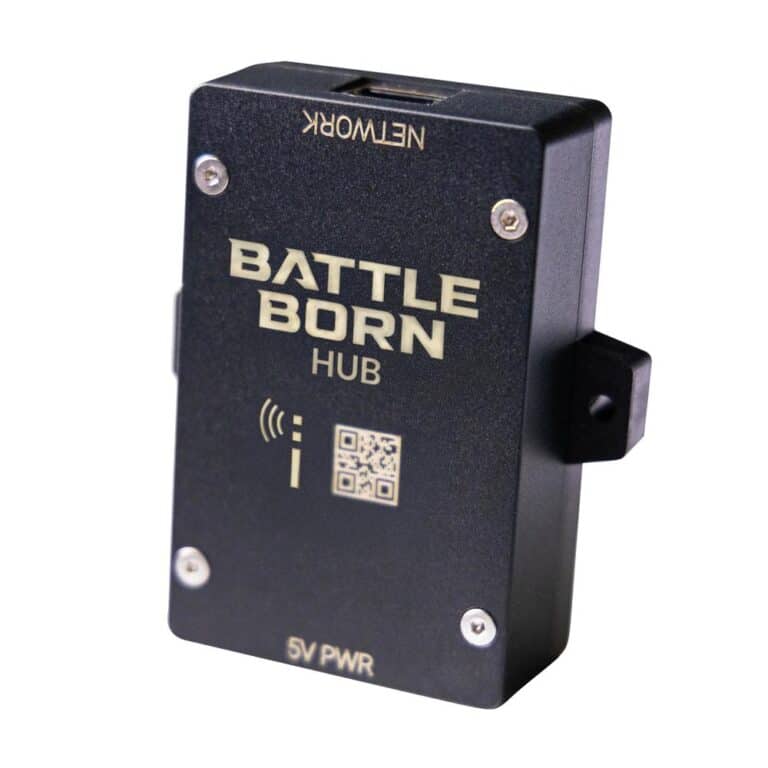
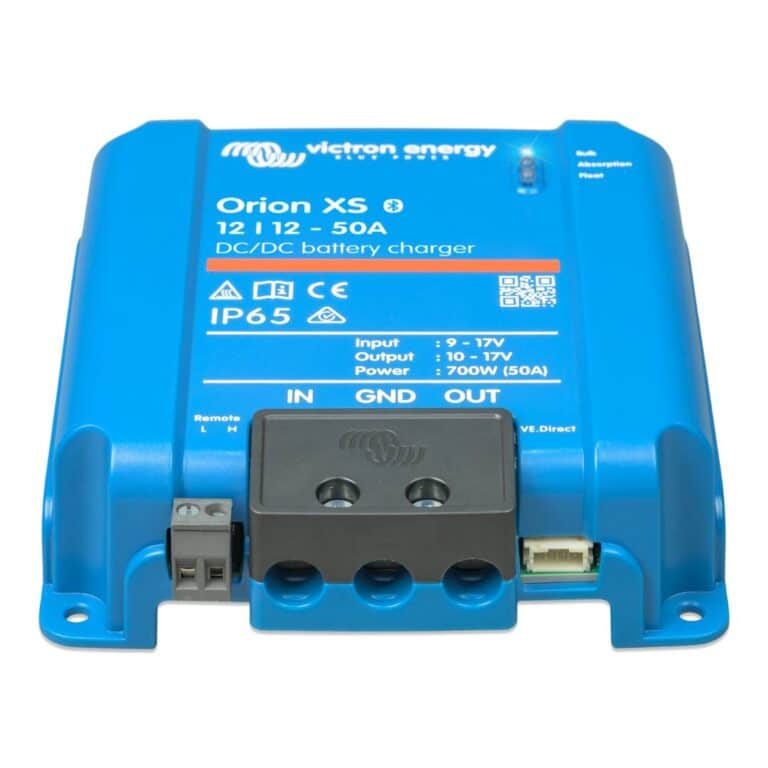
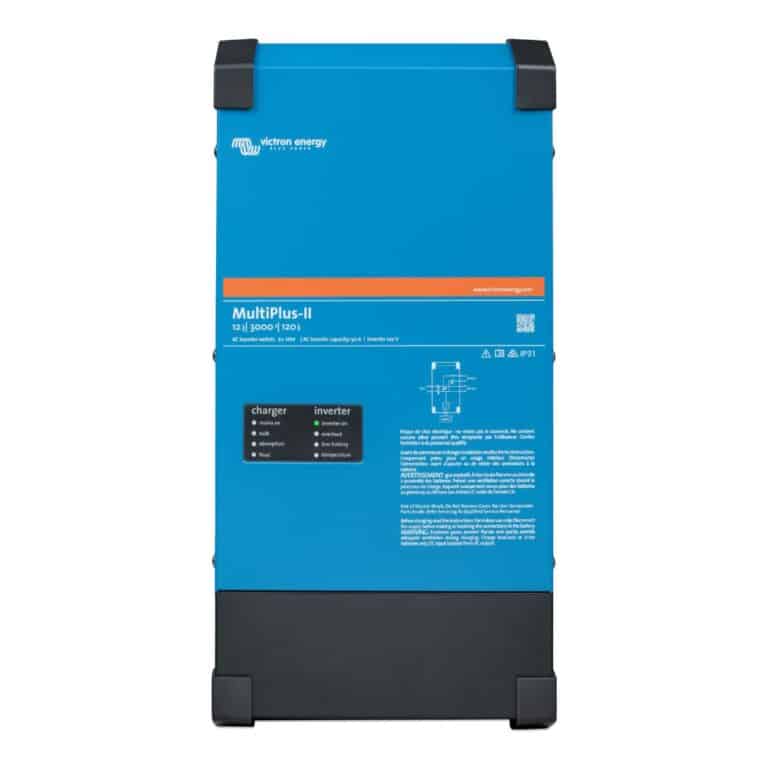
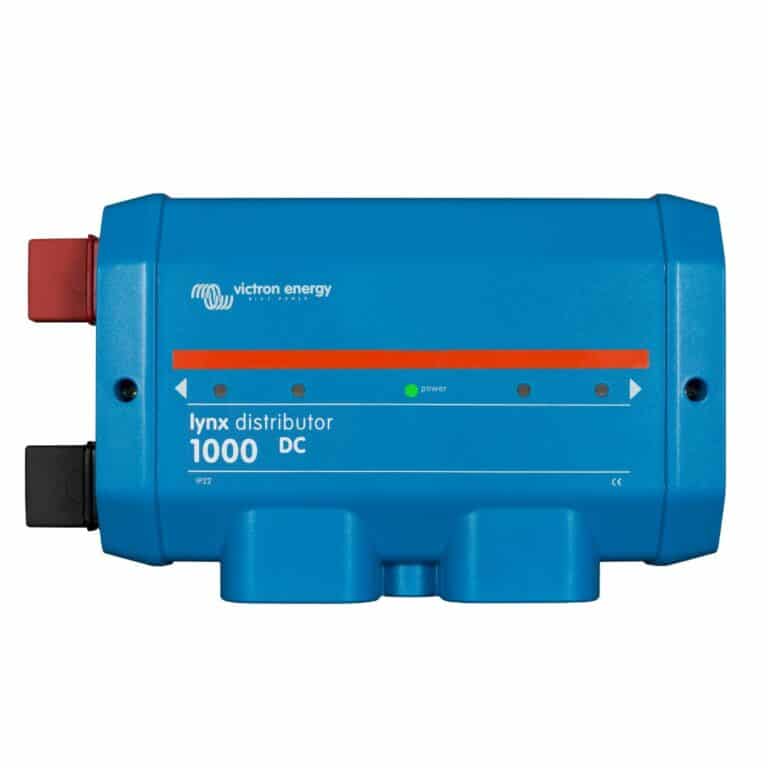
A proper setup includes:
This configuration is common in overland vehicles, camper vans, and service trucks—allowing you to run fridges, lights, or inverters off the lithium system while your vehicle’s lead-acid starter battery remains untouched.
^ 🎥 The Yoga Slackers added lithium batteries to their car – but not as their starter batteries!
Lithium batteries are a higher upfront investment compared to traditional lead-acid options. However, their lifespan—often 10 years or more—combined with faster charging, deeper discharge capacity, and lighter weight make them a long-term value for storage applications.
That said, for replacing a standard 12V lead-acid starter battery, the cost doesn’t make sense for most drivers. But if you’re upgrading your vehicle’s auxiliary or “house” system for overlanding or extended off-grid use, the benefits of lithium power are undeniable.

In short: no—not for starting your engine.
Around here, we like to say “lead is dead,” and for most energy storage systems, that’s true. But when it comes to cranking your engine, it’s the rare case where we’ll tip our hats to tradition. So, keep your lead-acid starter and let lithium handle everything else.
Dropping in a lithium battery in place of a traditional starter battery may lead to serious performance and reliability issues. In the case of trying to use a deep-cycle model, it simply won’t work.
If you’re looking to upgrade some of your lead-acid batteries to lithium, start with your deep-cycle or auxiliary system—that’s where you’ll see the biggest payoff. Lithium batteries outperform lead-acid seven days a week when it comes to lifespan, charging speed, and usable power.
We know that building or upgrading an electrical system can be overwhelming, so we’re here to help. Our Reno, Nevada-based sales and customer service team is standing by at (855) 292-2831 to take your questions!
Also, join us on Facebook, Instagram, and YouTube to learn more about how lithium battery systems can power your lifestyle, see how others have built their systems, and gain the confidence to get out there and stay out there.

